
Potato Farming in Punjab: High-Yield Sowing & Variety Guide
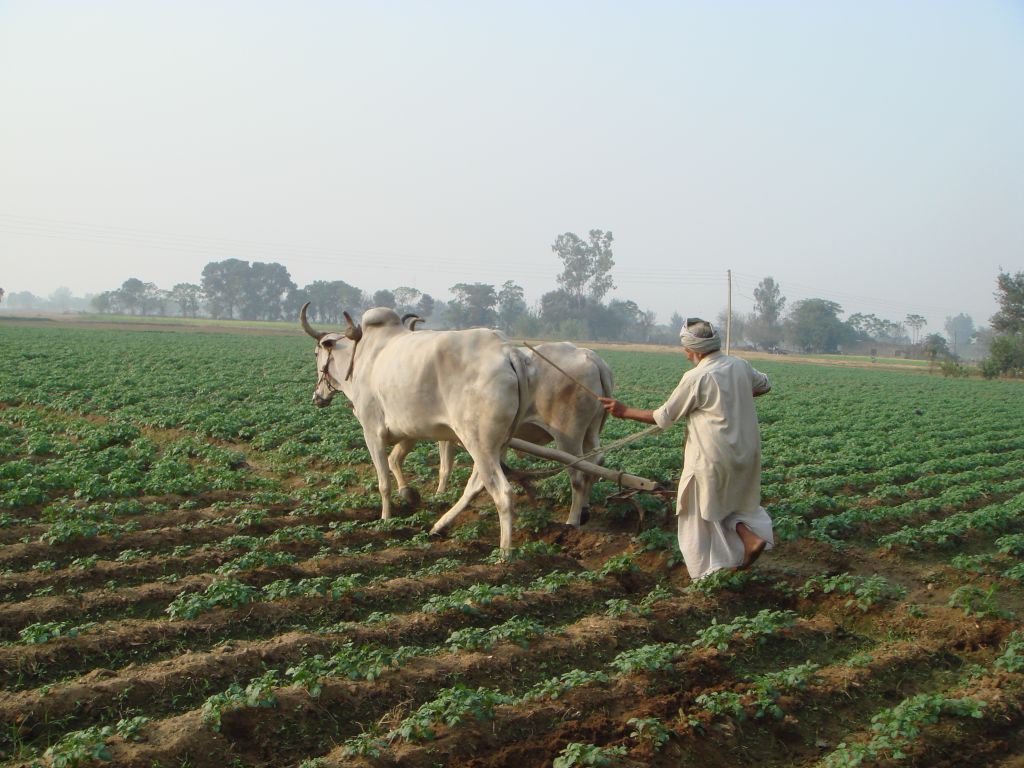
Ultimate Guide to High-Yield Potato Farming in Punjab
The Economic Footprint of Potato Cultivation in Punjab
Potato farming in Punjab stands as a cornerstone of the regional agricultural economy in northwestern India. While the state is traditionally celebrated for its intensive rice-wheat crop rotations, progressive growers have increasingly diversified into high-value horticultural commodities. Cultivating potatoes offers a highly profitable, short-duration cash crop opportunity that maximizes per-acre returns during the winter season in potato farming in punjab.
Seed Production Hubs for Potato Farming in Punjab
The sector holds a unique distinction on the national stage: it satisfies nearly 60–70% of India’s total demand for disease-free, high-quality seed potatoes. The geographical epicenter of this production is the Doaba Region, comprising the Jalandhar Mandi hub, Hoshiarpur District, Kapurthala, and Nawanshahr. This region features a highly specific microclimate characterized by a long, cold winter with low aphid populations during the critical early growth phases. Because of this, anyone investing in commercial potato farming in Punjab will find this area ideally suited for producing certified seed potatoes that fetch premium prices across India.
Soil Preparation for Potato Farming in Punjab
Achieving structural efficiency and maximizing commercial yields requires absolute precision during the initial field setup and climate monitoring.
Temperature Frameworks for Tuber Development
Potato growth is highly sensitive to temperature fluctuations. The ideal temperature range for early vegetative growth is 24°C to 26°C. However, successful potato farming in punjab of tuber development relies on cooler climates. Optimal tuberization occurs when day temperatures stay below 20°C to 22°C and night temperatures consistently drop between 12°C and 14°C. If night temperatures exceed 20°C, the plant allocates its energy to foliage growth rather than bulking tubers, drastically lowering the overall yield.
Preparing Well-Drained Sandy Loam Beds
Potatoes are underground tubers that require loose, uncompacted soil structures to expand smoothly. Deep, well-drained sandy loam soil rich in organic matter is considered optimal.
Begin field preparation by executing one deep ploughing using a disc plough to break the subsoil hardpan.
Follow up with 2 to 3 harrowings and subsequent planking to achieve a fine, crumbly tilth.
Incorporate 15 to 20 tons of well-decomposed Farmyard Manure (FYM) per acre during the secondary tillage phase to optimize soil aeration and moisture retention capacity.
High-Yielding Potato Varieties Approved for Punjab
Selecting the correct cultivar determines your end-market pricing, crop duration, and disease resilience profiles.
Processing vs. Table Varieties
The Central Potato Research Institute (CPRI) has developed and certified several specialized varieties specifically adapted to Punjab’s unique soils:
Kufri Pukhraj: The most popular early-maturing table variety in the state. It features large, oval, yellow-skinned tubers and reaches maturity in just 70 to 90 days, allowing farmers to quickly clear the field for subsequent spring crops.
Kufri Jyoti: A highly adaptable, medium-maturity table variety (90–100 days) with excellent cooking quality and moderate resistance to late blight.
Kufri Chipsona-3: A premier processing variety engineered explicitly for chips and French fry manufacturing. It possesses high dry-matter content and extremely low reducing sugar percentages, preventing browning during industrial frying.
Lady Rosetta: A globally recognized round, red-skinned industrial processing variety. It is highly sought after by commercial snack brands across the Ludhiana Hub and Jalandhar processing corridors due to its exceptional crisping properties.
Sowing Timelines for Potato Farming in Punjab
Timelines rule success in Punjab’s competitive multi-cropping ecosystem. Missing the correct sowing window exposes the crop to severe early-season heat or late-season pest pressures.
Autumn Crop vs. Spring Crop Sowing Windows
The primary commercial crop is the Autumn Crop, which must be sown between September 15 and October 15. Sowing during this window ensures that tuberization aligns perfectly with the cool winter months of November and December. A secondary Spring Crop can be sown from January 1 to January 25; however, this crop faces rapid heat acceleration in March, making it more challenging to manage.
Ridge and Furrow Spacing Calculations
To guarantee uniform plant density, implement the standard ridge and furrow method. The validated structural geometry is:
Row-to-Row Spacing (Width between ridges): 60 cm
Plant-to-Plant Spacing (Distance within the furrow): 15 cm to 20 cm
Sowing Depth: 8 cm to 10 cm below the ridge top.
Before sowing, ensure seed tubers are treated with Gibberellic Acid if they require dormancy breaking, ensuring uniform sprouting across the entire plot.
Nutrient Management and Irrigation Frameworks
Potatoes are heavy feeders that require calibrated feeding and watering schedules to sustain rapid tuber bulking.
NPK Fertilization Ratios per Acre
For standard soils, apply a balanced nutrient ratio of 75 kg Nitrogen (N), 32 kg Phosphorus (P), and 48 kg Potassium (K) per acre. Translate this into commercial fertilizer applications as follows:
At Sowing (Basal Dose): Apply 50% of the total Nitrogen alongside 100% of the Single Super Phosphate (SSP) and Muriate of Potash (MOP).
At Earthing-Up (30–35 Days Post-Sowing): Top-dress the remaining 50% of Nitrogen using Urea just before pulling the soil to reinforce the ridges.
Drip Irrigation Layout and Interval Planning
Potatoes have a shallow root system, making water management critical. The first irrigation must be applied immediately after sowing, ensuring the water level reaches only halfway up the ridges to avoid submerging the seed tubers.
Traditional Furrow Method: Maintain light irrigations at intervals of 7 to 10 days depending on climate conditions.
Drip Irrigation Layout: For modern farms, utilizing drip lines preserves a highly consistent root zone moisture level, saving up to 30% water while boosting uniform tuber sizing.
Stop all irrigation practices completely roughly 10 to 12 days before the scheduled harvest to allow the tuber skin to mature and harden.
Shielding the Crop: Pest and Disease Management
Biosecurity directly preserves your market valuation and prevents catastrophic field losses.
Late Blight and Aphid Mitigation Protocols
Late Blight (Phytophthora infestans): This devastating fungal disease thrives in humid, cloudy weather with persistent morning dew. It appears as dark, water-soaked lesions on leaves. As a preventative protocol, spray Mancozeb Fungicide at a rate of 700g per acre when the crop reaches 45 days old. If an infection is detected, immediately pivot to systemic fungicides like Metalaxyl.
Aphids (Myzus persicae): These sucking pests generally appear in late December. While they cause minor direct feeding damage, they act as primary vectors for debilitating plant viruses. For seed crops, it is essential to monitor aphid thresholds closely and perform dehaulming (cutting the green foliage) before aphid counts exceed 20 aphids per 100 leaves to ensure certified seed purity.
Post-Harvest Management and Punjab’s Cold Storage Network
Once harvested, potatoes must be handled carefully to prevent bruising. After digging them out, allow the tubers to cure in open, shaded field heaps for 10–15 days so their skins harden fully.
Punjab boasts a robust, highly sophisticated cold storage infrastructure network capable of holding millions of metric tons of produce. Clean, graded table potatoes should be moved directly into cold storage units maintained at 2°C to 4°C with 85–90% relative humidity. For processing varieties like Lady Rosetta, keep storage temperatures slightly higher at 8°C to 10°C alongside specialized reconditioning protocols to minimize sugar accumulation, ensuring they fetch premium prices from industrial buyer
FAQ's
A: The primary autumn crop window opens from September 15 to October 15, ideally when ambient maximum temperatures drop between 30–32°C.
A: Kufri Chipsona-3 and Lady Rosetta are highly favored by industrial processors in the Doaba region due to low sucrose content and excellent dry matter content.
A: For standard seed sizes (2.5–3.5 cm diameter), implement a strict spacing of 60 cm between ridges and 15–20 cm between individual seed tubers within the furrow.
Author Bio
Jashan Dhaliwal is the founder of Lohara Farm, a Punjab-based farm dedicated to producing quality potatoes and promoting sustainable agriculture. Through Lohara Farm, she shares practical farming knowledge and experiences to help farmers and consumers understand modern agriculture.